Christmas
The Sorrows of Young WertherChristmas functions as a near, emotionally charged point on the calendar: the children anticipate a gift from Charlotte, while Werther treats the days before Christmas Eve as time he can no longer bear to wait through.
The Children’s Countdown
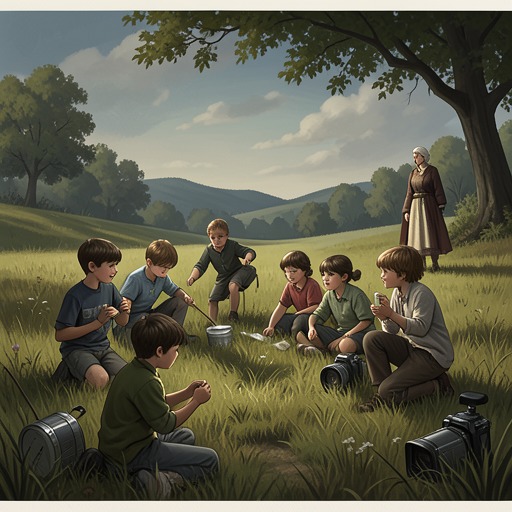
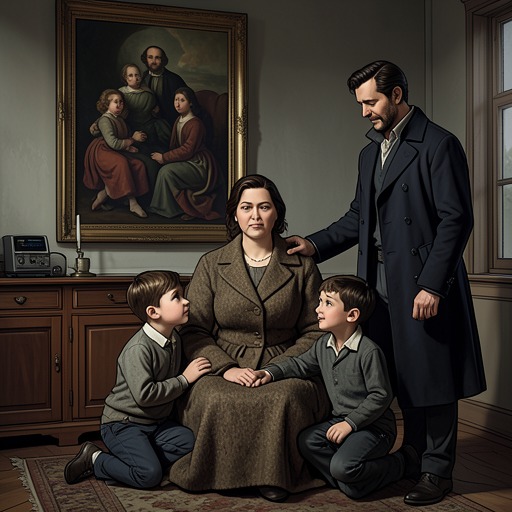
During a visit, the children tell Werther that after three more days they will receive their Christmas gift from Charlotte. Their excited account of what they imagine for the holiday draws him briefly into their anticipation. He repeats their countdown, kisses them tenderly, and prepares to leave; when one child whispers that the older boys have also written New Year’s wishes for their father, Charlotte, her fiancé, and Werther, the news overwhelms him. He gives each child a present and rides away with tears in his eyes. Christmas sits here within a sequence of family festivities, but the children’s innocent expectation contrasts with Werther’s distress.
Christmas Eve as a Deferred Meeting
Christmas Eve is the date on which Werther believes Charlotte expects to see him again. In a letter, he imagines her holding the paper then and weeping over it, but announces that he will visit her sooner. His resolve turns the holiday countdown into a deadline: rather than accept the separation until the agreed date, he decides that the present day must be his last opportunity to see her before Christmas Eve.
Narrative Significance
The text presents Christmas through anticipation rather than through a celebration already underway. The children measure time by the promised gift; Werther measures it by the delay before seeing Charlotte. The same approaching holiday therefore carries two opposed expectations—joyful family ritual and painful separation—and makes the gap between Werther’s intended visit and the visit Charlotte expects especially consequential.